
In 2023, more than 12% of returns for Skechers shoes in France were related to assembly or material issues. The manufacturer’s warranty does not systematically cover premature wear due to improper use or extreme conditions.
The most common non-conformities appear within the first six months following the purchase. Defects related to the sole, stitching, and adhesives account for the majority of incidents reported to customer service.
Why do some Skechers models have recurring defects?
The accumulation of reports of Skechers defects is not simply a matter of chance. Several factors intertwine, highlighting the flaws of a production system spread across the globe, often delegated to multiple subcontractors. When the pace of manufacturing accelerates and the ranges expand, as with the Skechers Slip-ins or Arch Fit series, the risk of defects inevitably increases. Quality control teams, sometimes distant from the workshops, no longer have oversight on every item coming off the production line.
The selection of components plays a key role in Skechers quality. Complaints focus on the soles: rapid wear, detachment, and loss of cushioning. Some innovations, like the famous memory foam, impress during fitting but reveal their limits after a few months of use. The stitching, in turn, undergoes repeated stress and eventually gives way, especially on sports models designed for intensive use.
The frequent reasons for Skechers defects are thus tied to the sequence of rushed industrial processes, extreme standardization, and variable control depending on the workshops. Cost-cutting imposed by competition sometimes leads to the use of less durable adhesives or fabrics, to the detriment of longevity. These issues are frequently mentioned in many Skechers reviews online, citing rapid degradation or suboptimal foot support.
Here are the points that most often come up in user feedback:
- Skechers wear: early appearance of creases or sagging of the insole
- Skechers soles: detachment, loss of grip on wet surfaces
- Skechers memory foam: compression after a few weeks for some models
You can check the complete analysis on the frequent reasons for Skechers defects to grasp all the nuances and spot warning signs before making a purchase.
Signs to watch for to spot a problem right at purchase
Before heading to the checkout, every detail deserves your attention. The first thing to scrutinize: the quality of the finishes. Observe the stitching closely: they should be straight, with no loose threads or excessive thickness. A hanging thread or a faltering seam often signals impending Skechers defects.
Test the sole by pressing it between your fingers. On several models, customers have noticed accelerated wear or premature detachment. Also check if the outsole is secure: a slight movement, excess glue, or a suspicious mark indicates a weakness. For memory foam models, try them on and remove your foot: the cushioning should regain its shape without showing any sagging.
Be sure to check the Skechers size and comfort. Some models fit inconsistently or leave uncertainty about the size. Walk around, feel if the heel is secure, and if the front of the foot is well-adjusted. Discomfort from the start or unusual space often appears in customer reviews from dissatisfied buyers.
To facilitate your inspection, here are the elements to systematically check:
- Soles: look for any irregularities, weak points, or excess glue.
- Stitching: detect any snags, breaks, or protruding threads.
- Interior: touch the material, ensure there are no bumps or areas that rub abnormally.
This vigilance right at purchase can prevent many Skechers shoe problems and reduce unpleasant surprises regarding quality or durability.
Practical tips to extend the lifespan of your Skechers
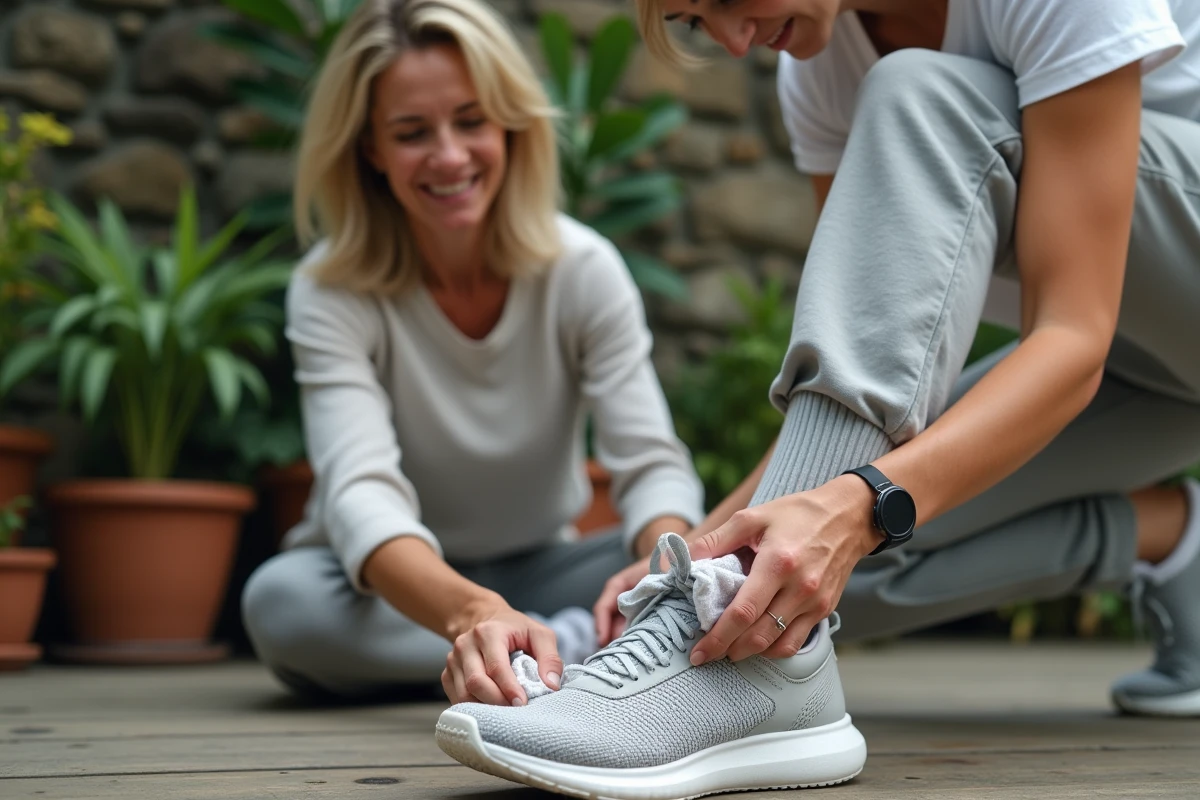
Putting your Skechers in the washing machine is easy… but rarely a good idea. Mechanical washing damages the soles, weakens the adhesive, and distorts the memory foam. A manual cleaning, with a soft brush and neutral soap, is more than sufficient. Focus on the areas that wear the most, like the outsole and stitching, without soaking your shoes.
To limit accelerated wear, alternate your pairs. Allow each shoe to air dry, away from direct heat, to maintain their shape and slow down material fatigue. Avoid wearing the same model day after day, especially if you walk a lot or work on your feet.
Waterproofing your Skechers right after purchase, and then regularly, makes a real difference. You limit moisture, and the leather and fabrics resist better, preventing mold from settling in. Choose a spray suitable for the material of your shoe and apply it to a clean, dry pair.
To keep your Skechers in good shape, adopt these simple habits:
- Remove any pebbles stuck in the sole after each use.
- Check stitching and heels for any emerging weaknesses.
- Store your Skechers away from dust and moisture, stuffing them with newspaper to maintain their shape.
The durability of a pair of Skechers largely depends on your attention and regular care, far from the promises of miracle solutions. Over time, these small habits make all the difference, much more than haphazard maintenance or an uncertain warranty.