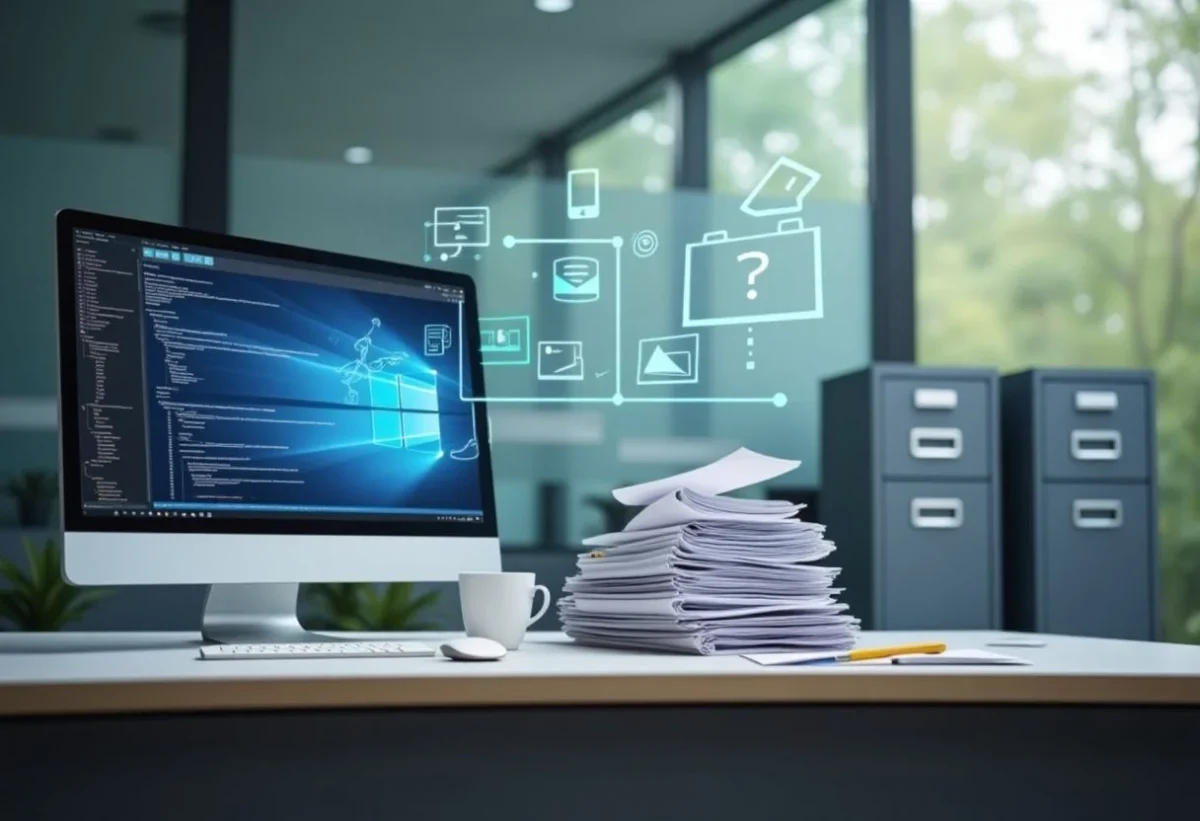
In a world where digital transformation has become a major challenge, electronic document management (EDM) is emerging as an essential solution for businesses. Whether to simplify processes or to ensure regulatory compliance, EDM proves to be a valuable asset. What are the four key steps in this approach? How does it transform the way companies manage and optimize their data?
Analysis of Electronic Document Management Needs
Identification of Document Types
Before embarking on the implementation of an electronic document management system, it is essential to identify the types of documents that circulate within the company. This includes both traditional paper documents and electronic documents. For example, supplier invoices, contracts, or even electronic invoices must be taken into account.
Evaluation of Current Document Processes
An audit of existing document processes allows for mapping information flows and identifying pain points in document handling. This crucial step helps to define priorities and choose a solution tailored to the specific needs of the company.
Choosing the Right EDM Software for the Company
Criteria for Selecting an EDM Solution
The criteria for selecting an electronic document management solution are varied. Among them, dematerialization features, storage and security options, and the ability to integrate with other management systems are paramount. EDM software should also offer open-source document management solutions to maximize flexibility and reduce costs.
Comparison of EDM Solutions on the Market
In a market saturated with EDM solutions, it is crucial to compare the available offers. Companies can choose between proprietary software and open-source software, each having its own advantages and disadvantages. The costs of implementation and maintenance must also be considered to ensure optimal return on investment.
Implementation of the Electronic Document Management System
Defining a Deployment Plan
A well-defined deployment plan is essential for the successful implementation of an EDM project. A clear project timeline must be established while involving stakeholders to ensure buy-in and collaboration. Integration with existing processes is a crucial step to ensure workflow continuity.
Integration within Existing Processes
Ensuring that the electronic document management system is synchronized with existing collaboration tools is essential to promote collaboration and improve productivity. Managing organizational changes must be approached carefully to avoid resistance and ensure smooth adoption of the new solution.
Training and Adoption of the EDM System by Users
Establishing Training Sessions
Training is a key step to ensure that users quickly and effectively adopt the new document management system. The training content must be comprehensive and tailored to the specific needs of users, with appropriate educational materials and resources.
Monitoring and Evaluating System Usage
Regular monitoring and continuous evaluation of the electronic document management system’s usage are necessary to measure its effectiveness. Performance indicators must be clearly defined, and user feedback should be collected to make necessary adjustments.
To learn more about implementing dematerialization software and discover how this solution can transform your company’s document management, check out this article: deltic.