Between the rise in prices of fresh products reported by Insee in September 2026 and the autumn vegetables flooding the markets, cooking daily is as much about budget as it is about inspiration. Creating easy and delicious recipes doesn’t necessarily require a meticulously planned shopping list: the refrigerator, leftovers from the previous day, and seasonal products are often enough to reinvent a meal.
Anti-waste recipes: cooking with refrigerator leftovers
Quick recipe lists almost always start with ingredients to buy. The reverse logic, starting from what’s lingering in the fridge, changes the way of cooking and reduces food waste, which remains significant according to data from the Ministry of Ecological Transition and Ademe.
A bit of cooked vegetables, a leftover of rice or pasta, a piece of cheese: these leftovers become the base of the dish, not an addition. The method involves first identifying the dominant texture (starch, vegetable, protein), then choosing a suitable dish format.
- Leftover starches (rice, pasta, potatoes): aim for a stir-fry, a gratin, or a warm composed salad with a tangy vinaigrette
- Leftover cooked vegetables (squash, zucchini, leeks): a blended soup, a crustless quiche, or patties bound with an egg can be ready in under twenty minutes
- Leftover meat or fish: shredded in wraps, mixed with tomato sauce for pasta, or incorporated into a filled omelette
- Partially used cheeses: a croque-monsieur, an express tartiflette, or a cheese sauce to drizzle over roasted vegetables
Several ideas for complete dishes arise from this approach, and the cost of the meal decreases mechanically since additional purchases are limited to one or two ingredients. To explore other combinations by dish type, Yummy Blog’s cooking page gathers recipes categorized by format and main ingredient.
Seasonal autumn products: price and availability compared
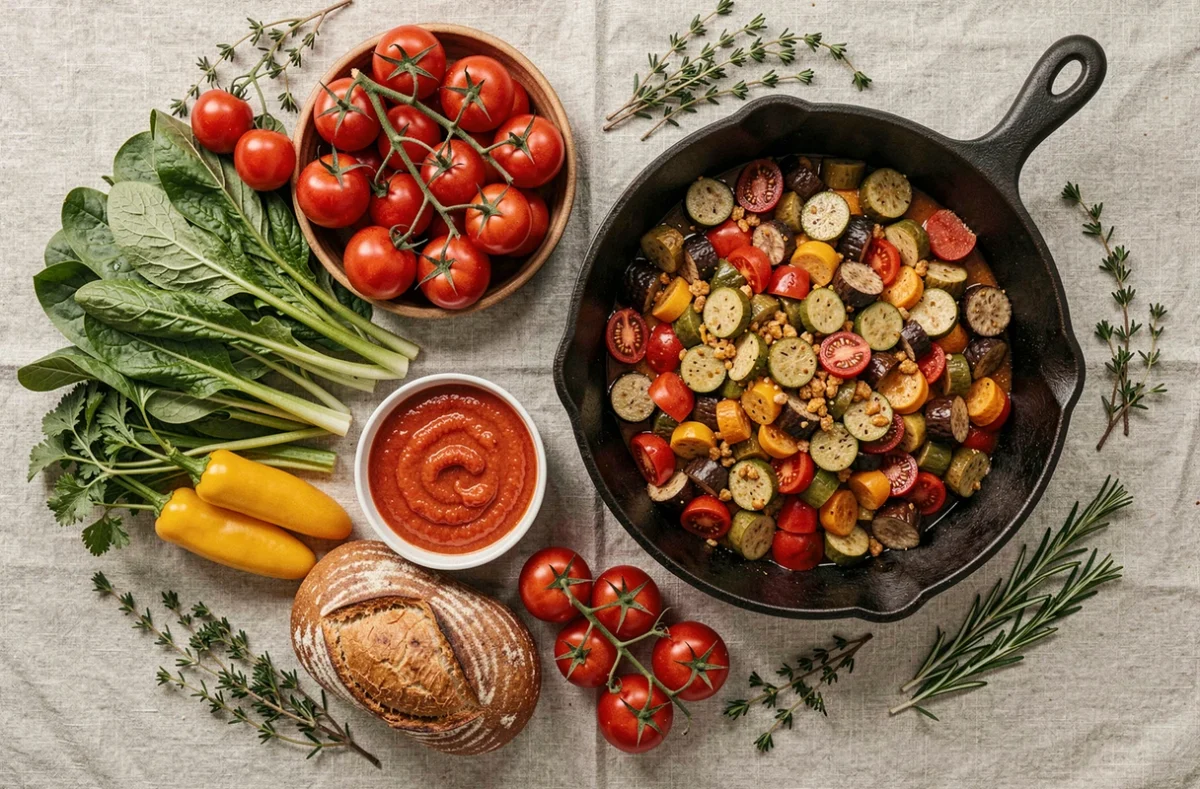
The choice of seasonal ingredients has a direct impact on meal prices. Insee noted in September 2026 a more pronounced annual increase in prices of fresh products than that of food overall. Not all autumn vegetables are equal in terms of quantity-price ratio.
| Seasonal Product | Autumn Availability | Culinary Versatility | Price Trend |
|---|---|---|---|
| Squash (butternut, potimarron) | October to December | Soup, gratin, puree, risotto | Stable, abundant local production |
| Leeks | September to March | Quiche, fondue, soup, gratin | Moderate, long season |
| Cabbages (green, red, curly) | October to February | Stir-fry, salad, stuffed, soup | Among the cheapest in the aisle |
| Apples and pears | September to November | Compote, pie, salad, savory side | Variable depending on varieties |
| Mushrooms (cultivated and wild) | September to November | Stir-fry, risotto, sauce, omelette | Wild more expensive, cultivated stable |
Cabbages and leeks show the most contained prices with high versatility. A green cabbage works well in soup, Asian stir-fry, or gratin, making it an ally for varying weekly meals without straining the budget.
Adapting the recipe to the available vegetable, not the other way around
Instead of searching for a recipe and then buying the missing ingredients, reversing the process reduces expenses. A butternut already in the pantry points towards a velouté or risotto. Some slightly tired leeks can transform into a creamy fondue to accompany meat or fill a quiche.
This “from basket to dish” logic replaces the fixed shopping list with a permanent adaptation to available products.
Nutritional balance of easy meals: legumes and whole grains
The speed of execution often leads to white pasta or classic rice. French nutritional recommendations, echoed by recent health resources, advocate for legumes at least twice a week and the choice of whole or semi-whole starches.
Red lentils, canned chickpeas, and kidney beans cook quickly or are ready to use. A dish of red lentils cooked in fifteen minutes costs less than a meat dish and provides plant-based proteins and fiber.

Three formats of balanced meals in under thirty minutes
- Chickpea salad, roasted seasonal vegetables (squash or cauliflower), and whole grain (bulgur, quinoa) with a yogurt and lemon sauce
- Thick soup of red lentils with coconut milk and curry, served with toasted whole grain bread
- Stir-fried kidney beans with onion, bell pepper, spices, and semi-whole rice, ready in twenty minutes with pantry ingredients
These dishes can be prepared with both fresh vegetables and leftovers, which ties back to the anti-waste logic mentioned earlier. The balance of a meal does not depend on the time spent in the kitchen but on the choice of basic ingredients.
Everyday delicious recipes: sauce as a flavor lever
A simple dish shifts from acceptable to delicious thanks to the sauce. Mustard vinaigrette, soy-honey-ginger sauce, light cheese béchamel: these preparations take between two and ten minutes and transform a leftover of vegetables or starches into a tasty meal.
The sauce also compensates for the monotony of seasonal ingredients. The same roasted cauliflower changes its profile with a tahini-lemon sauce one evening, then a spicy tomato sauce the next day. Varying sauces rather than ingredients reduces purchases while diversifying flavors.
Creating easy recipes daily ultimately relies on three measurable parameters: what’s left in the refrigerator, what the season offers at reasonable prices, and the format of sauce or seasoning that ties it all together. The budget and waste decrease when cooking starts from the contents of the pantry rather than an abstract recipe card.