
Addressing judicial authorities can be delicate, especially when it comes to adopting the appropriate tone and language. Whether in front of a judge, a prosecutor, or a lawyer, each interlocutor requires a particular approach. Understanding the titles and roles of the various judicial authorities is essential to ensure that communication remains respectful and effective.
When facing a judge, the use of the term ‘Your Honor’ is commonly accepted and shows a mark of deference. For a prosecutor, the term ‘Mr. Prosecutor’ or ‘Ms. Prosecutor’ should be preferred, while lawyers can simply be addressed as ‘Master’. Adapting your speech according to the interlocutor not only respects etiquette but also facilitates exchanges within the judicial framework.
The Different Judicial Authorities and Their Competencies
The Judicial Court
The judicial court is the common law body in civil and criminal matters. It deals with civil cases, such as disputes between individuals, and criminal cases like offenses and crimes. The summons must be filed with this court at least 15 days before the hearing date. The investigating judge, attached to this jurisdiction, can modify the summons.
The Public Prosecutor
The public prosecutor plays a central role in public action. He oversees police custody measures and represents the state in criminal proceedings. The prosecutor can be approached by a victim for various reasons, including when there is a refusal to file a complaint. Use the polite forms for addressing a judge to address him correctly.
The Courts of Appeal
The court of appeal reviews decisions made by judicial courts. It can confirm, overturn, or modify the judgments rendered. In criminal matters, the assize court, competent to judge crimes, is also a court of first instance whose decisions can be challenged before the court of appeal.
Instances for the Protection of Rights
The Defender of Rights is an independent authority responsible for ensuring the protection of citizens’ rights and freedoms. In cases of refusal to file a complaint, victims can approach this body. Similarly, the general inspections of the police and national gendarmerie (IGPN and IGGN) are competent to investigate the behavior of law enforcement agencies.
- CNIL: Protection of personal data
- DGCCRF: Consumer protection
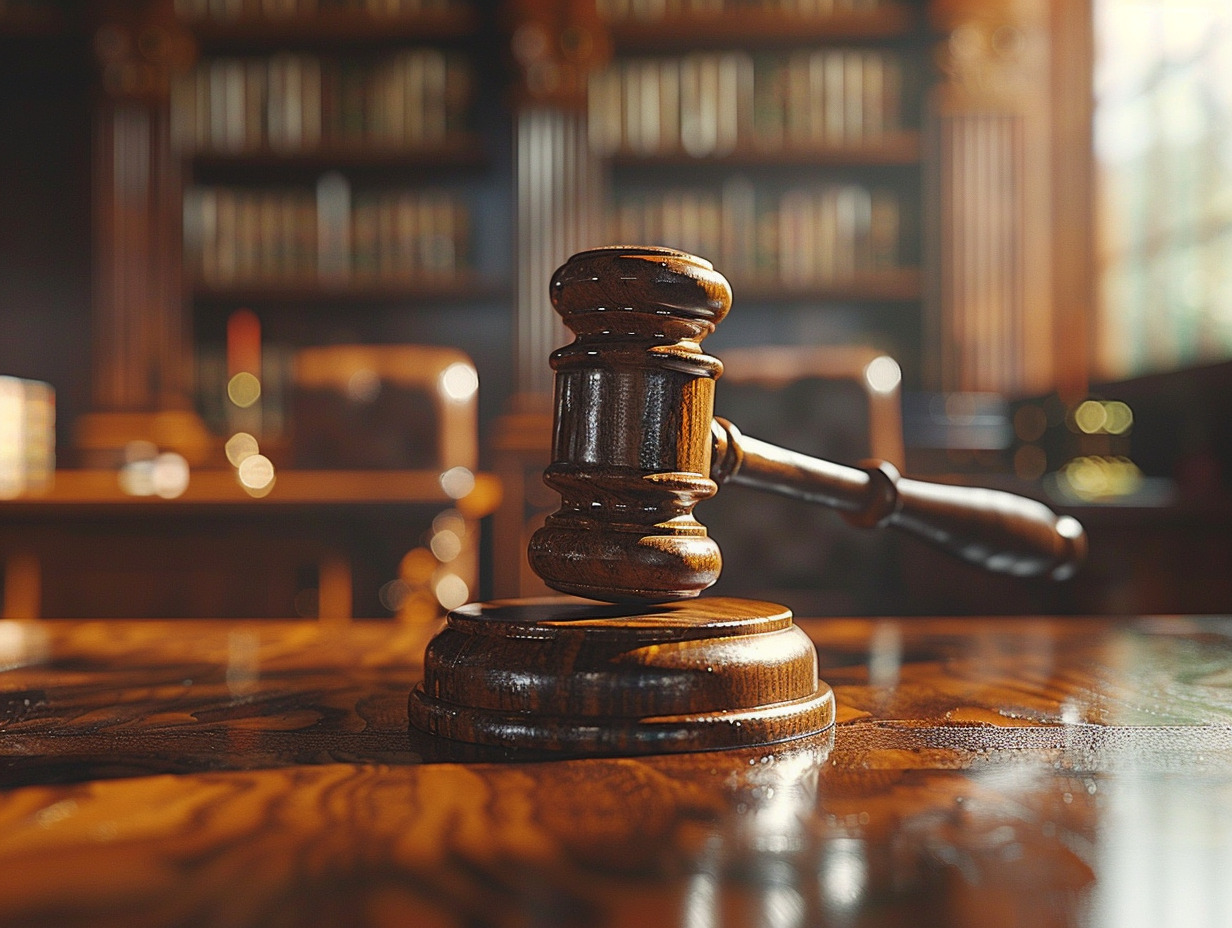
How to Properly Address Judicial Authorities
Basic Rules for a Formal Address
When addressing a court, certain formal rules must be respected. The summons, drafted by a lawyer and delivered by a judicial officer, must contain mandatory mentions such as the designation of the competent court, the subject of the request, and the identity of the parties. Always use appropriate polite forms, such as ‘Mr. President’ or ‘Madam President’, as applicable.
Addressing a Complaint to the Public Prosecutor
When sending a complaint to the public prosecutor, the wording must be precise and respectful. Mention the facts in detail and chronologically. Start with ‘Mr. Public Prosecutor’ or ‘Ms. Public Prosecutor’. Clearly present the facts, evidence, and requests.
Procedures for Approaching the Defender of Rights
To approach the Defender of Rights, a letter must be sent using respectful forms. Begin the letter with ‘Mr. Defender of Rights’ or ‘Ms. Defender of Rights’. Explain the situation in detail, mentioning refusals to file complaints, abuses, or discrimination experienced. Attach all necessary documents to support your case.
- Public Prosecutor: Precisely mention the facts and evidence.
- Defender of Rights: Attach the necessary documents to support the complaint.
Polite Forms for Judicial Correspondence
Polite forms are essential to maintain respect and courtesy in your correspondence. Here are some examples:
- For a judge: ‘Mr. Judge’ or ‘Ms. Judge’.
- For a prosecutor: ‘Mr. Prosecutor’ or ‘Ms. Prosecutor’.
Always respect the titles and functions of the recipients. Use a direct and clear formulation to avoid any ambiguity.